
Topic: VehiclesWord 12 of 39
canoe Meaning in Japanese (canoe 英語 意味)
noun · verbnoun
カヌー
verbカヌーを漕ぐ
カヌー in English:canoe
IPA:kəˈnuː
Quick Answer • 要約
Canoe の日本語の意味は「カヌー, カヌーを漕ぐ」です。 (軽くて細長い、両端が尖っていて上が開いた、一人または複数のパドラーがシングルブレードのパドルを使って漕ぐボート。)
Concept Illustration
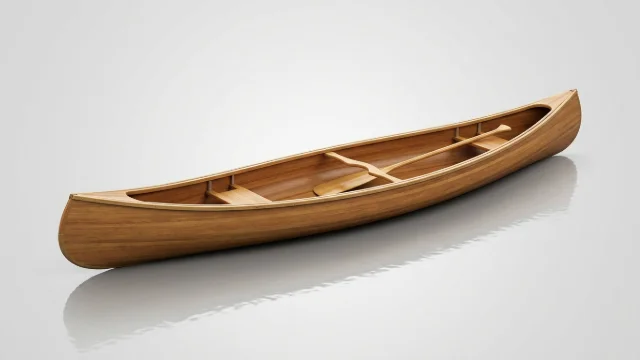
Visual representation of "canoe"
Definitions of Canoe
Example Sentences
Synonyms (類語)
In English:
boatkayak
Topics & Categories
Topic & ExploreInflected Word Forms
past tensecanoed
gerundcanoeing
agent nouncanoeist
Phrases & Idiomatic Expressions
canoe tripcollocation
A journey taken in a canoe.
canoe racecollocation
A competition involving canoes.
Frequently Asked Questions: Canoe in Japanese
What is the meaning of Canoe in Japanese?▼
Canoe の日本語の意味は「カヌー, カヌーを漕ぐ」です。 (軽くて細長い、両端が尖っていて上が開いた、一人または複数のパドラーがシングルブレードのパドルを使って漕ぐボート。)
How do you translate 'Canoe' to Japanese?▼
'Canoe' translates to 'カヌー' in Japanese. Canoe の日本語の意味は「カヌー, カヌーを漕ぐ」です。 (軽くて細長い、両端が尖っていて上が開いた、一人または複数のパドラーがシングルブレードのパドルを使って漕ぐボート。)
What is 'カヌー' called in English?▼
'カヌー' in English is called "Canoe". Canoe refers to: 軽くて細長い、両端が尖っていて上が開いた、一人または複数のパドラーがシングルブレードのパドルを使って漕ぐボート。
How do you pronounce 'Canoe' and 'カヌー'?▼
Listen to clear English audio pronunciation of 'Canoe' (IPA: /kəˈnuː/) and native Japanese audio speech for 'カヌー' with bilingual sentence examples on DictBridge.
What is an example sentence for Canoe in Japanese?▼
English: "We rented a canoe to explore the lake." | Japanese: "湖を探検するためにカヌーを借りました。"
Related Words in Vehicles
Explore contextually related English vocabulary with verified Japanese meanings, pronunciations, and sentence usages: