
Topic: School & Office ItemsWord 10 of 52
chair Meaning in Japanese (chair 英語 意味)
noun · verbnoun
椅子, 議長
verb議長を務める
椅子 in English:chair
IPA:isu
Phonetic:いす
Quick Answer • 要約
Chair の日本語の意味は「椅子, 議長, 議長を務める」です。 (一人で座るためにデザインされた家具で、通常は背もたれと4本の脚があるもの。)
Concept Illustration
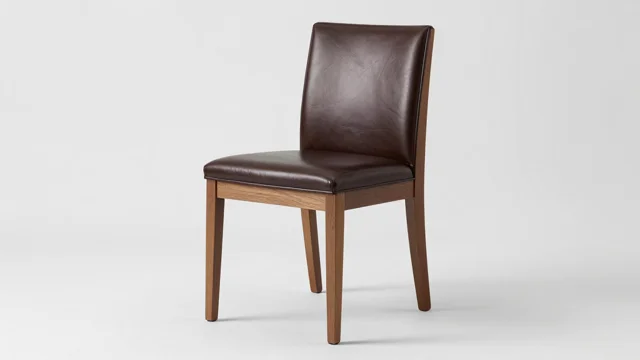
Visual representation of "chair"
Definitions of Chair
- 1椅子noun
A chair is a piece of furniture designed for one person to sit on, typically having a back and four legs.
一人で座るためにデザインされた家具で、通常は背もたれと4本の脚があるもの。 - 2議長noun
The chair can also refer to the position of authority or the person holding that position in a meeting or organization.
会議や組織における権威ある地位、またはその地位にいる人物を指すこともある。 - 3議長を務めるverb
To chair a meeting means to act as its chairperson and lead the proceedings.
会議の議長として議事を進行すること。
Example Sentences
Topics & Categories
Topic & ExploreInflected Word Forms
past tensechaired
present participlechairing
nounchairperson
nounchairman
nounchairwoman
Phrases & Idiomatic Expressions
take the chairexpression
To assume the position of authority in a meeting.
the chairexpression
The person presiding over a meeting.
musical chairsidiom
A game or situation where people compete for a limited number of positions.
Frequently Asked Questions: Chair in Japanese
What is the meaning of Chair in Japanese?▼
Chair の日本語の意味は「椅子, 議長, 議長を務める」です。 (一人で座るためにデザインされた家具で、通常は背もたれと4本の脚があるもの。)
How do you translate 'Chair' to Japanese?▼
'Chair' translates to '椅子' in Japanese. Chair の日本語の意味は「椅子, 議長, 議長を務める」です。 (一人で座るためにデザインされた家具で、通常は背もたれと4本の脚があるもの。)
What is '椅子' called in English?▼
'椅子' in English is called "Chair". Chair refers to: 一人で座るためにデザインされた家具で、通常は背もたれと4本の脚があるもの。
How do you pronounce 'Chair' and '椅子'?▼
Listen to clear English audio pronunciation of 'Chair' (IPA: /isu/) and native Japanese audio speech for '椅子' with bilingual sentence examples on DictBridge.
What is an example sentence for Chair in Japanese?▼
English: "Please take a seat on the chair." | Japanese: "どうぞ椅子にお座りください。"
Related Words in Furniture
Explore contextually related English vocabulary with verified Japanese meanings, pronunciations, and sentence usages: