
grass Meaning in Japanese (grass 英語 意味)
noun · verbnoun
草, マリファナ
verb密告する
草 in English:grass
IPA:kɯsa
Phonetic:くさ
Quick Answer • 要約
Grass の日本語の意味は「草, マリファナ, 密告する」です。 (芝生や野原に生える、葉が細長い一般的な植物で、しばしば草食動物に食べられる。)
Concept Illustration
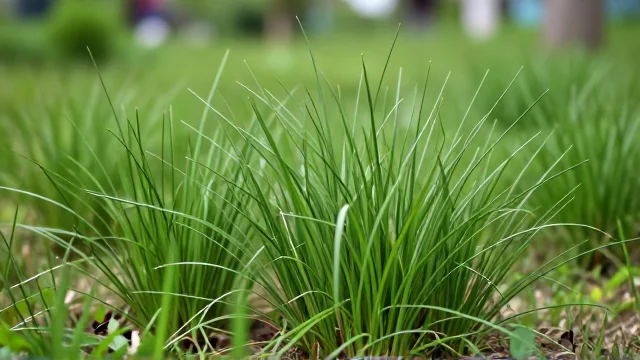
Visual representation of "grass"
Definitions of Grass
- 1草noun
A common, widespread green plant with narrow leaves, growing in lawns and fields, often eaten by grazing animals.
芝生や野原に生える、葉が細長い一般的な植物で、しばしば草食動物に食べられる。 - 2マリファナnoun(slang)
An informal term for marijuana, a psychoactive drug derived from the cannabis plant.
大麻植物から抽出される精神作用のある薬物であるマリファナの俗称。 - 3密告するverb(informal)
To inform the police or other authorities about someone's illegal activities.
誰かの違法行為について警察やその他の当局に知らせること。
Example Sentences
Topics & Categories
Topic & ExploreInflected Word Forms
noungrassland
noungrasshopper
adjectivegrassy
Phrases & Idiomatic Expressions
the grass is always greener on the other sideidiom
People always think others have it better than they do.
let the grass grow under one's feetidiom
To delay or waste time by being inactive.
grass rootsexpression
The most basic level of an organization or activity; ordinary people.
Frequently Asked Questions: Grass in Japanese
What is the meaning of Grass in Japanese?▼
Grass の日本語の意味は「草, マリファナ, 密告する」です。 (芝生や野原に生える、葉が細長い一般的な植物で、しばしば草食動物に食べられる。)
How do you translate 'Grass' to Japanese?▼
'Grass' translates to '草' in Japanese. Grass の日本語の意味は「草, マリファナ, 密告する」です。 (芝生や野原に生える、葉が細長い一般的な植物で、しばしば草食動物に食べられる。)
What is '草' called in English?▼
'草' in English is called "Grass". Grass refers to: 芝生や野原に生える、葉が細長い一般的な植物で、しばしば草食動物に食べられる。
How do you pronounce 'Grass' and '草'?▼
Listen to clear English audio pronunciation of 'Grass' (IPA: /kɯsa/) and native Japanese audio speech for '草' with bilingual sentence examples on DictBridge.
What is an example sentence for Grass in Japanese?▼
English: "The children played happily on the soft green grass." | Japanese: "子供たちは柔らかい緑の草の上で楽しそうに遊んでいた。"
Related Words in Trees & Plants
Explore contextually related English vocabulary with verified Japanese meanings, pronunciations, and sentence usages: