
noun · verb
English to Japanese Dictionary
ice Meaning in Japanese (ice 英語 意味)
noun氷
verbアイシングする
氷 in English:ice
IPA:koːɾi
Phonetic:こおり
Quick Answer • 要約
ice の日本語の意味は「氷, アイシングする」です。 (水が固体になったもの。通常、摂氏0度(華氏32度)以下で凍る。)
Concept Illustration
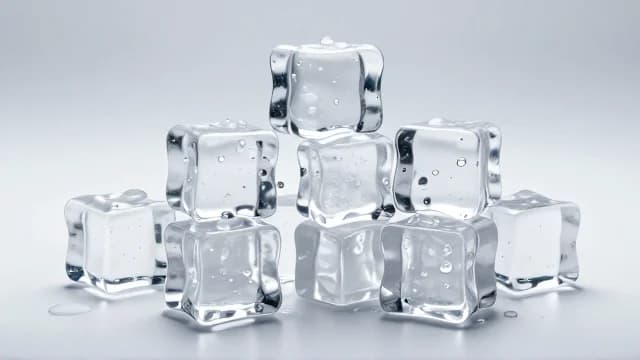
Visual representation of "ice"
Definitions of Ice
- 1noun氷
Ice is water frozen into a solid state, typically at or below 0 degrees Celsius (32 degrees Fahrenheit).
水が固体になったもの。通常、摂氏0度(華氏32度)以下で凍る。
- 2verbアイシングする
To ice means to cover something, especially food, with a layer of ice or a sugary frosting.
特に食べ物に、氷や砂糖のフロスティングの層で覆うこと。
Example Sentences
“The lake was covered with a thick layer of ice.”
湖は厚い氷で覆われていた。
“She asked for a glass of water with ice.”
彼女は氷入りの水のグラスを頼んだ。
“The baker will ice the cake beautifully for the party.”
パン屋はパーティーのためにケーキを美しくアイシングするだろう。
Topics & Categories
Topic & ExploreInflected Word Forms
past participleiced
gerundicing
nouniceberg
nounicebox
adjectiveicy
Phrases & Idiomatic Expressions
break the iceidiom
To initiate social interaction and make people feel more comfortable.
on thin iceidiom
In a precarious or risky situation.
ice creamcollocation
A frozen dessert made from dairy products, such as milk and cream, combined with flavorings and sweeteners.