
pulse Meaning in Japanese (pulse 英語 意味)
noun · verbnoun
パルス, 脈拍, 豆類
verb脈打つ
パルス in English:pulse
IPA:ˈpʌls
Quick Answer • 要約
Pulse の日本語の意味は「パルス, 脈拍, 豆類, 脈打つ」です。 (血流によって動脈が推進される際の、触診で感じられるリズミカルな脈動。)
Concept Illustration
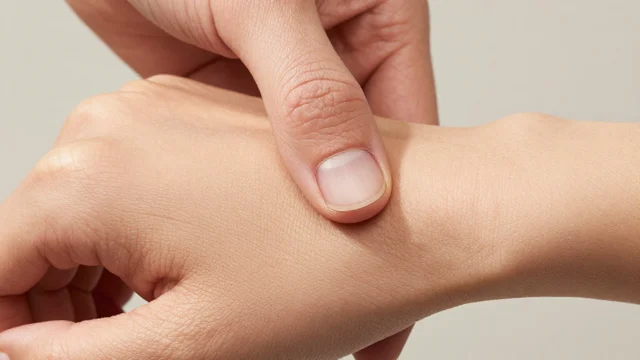
Visual representation of "pulse"
Definitions of Pulse
- 1脈拍noun
The rhythmic throbbing of arteries as blood is propelled through them, felt by palpation.
血流によって動脈が推進される際の、触診で感じられるリズミカルな脈動。 - 2豆類noun
The edible seeds of certain pod-bearing plants, such as peas, beans, or lentils, used as food.
エンドウ豆、豆、レンズ豆などの特定の豆科植物の食用種子で、食品として使用されるもの。 - 3脈打つverb
To beat or throb with a strong, regular rhythm, often referring to a heart or an artery.
強い規則的なリズムで拍動または脈打つこと、しばしば心臓や動脈を指す。
Example Sentences
Topics & Categories
Topic & ExploreInflected Word Forms
past tensepulsed
present participlepulsing
nounpulsar
nounimpulse
Phrases & Idiomatic Expressions
take one's pulsecollocation
To measure the rate of a person's heartbeat by feeling their pulse.
keep one's finger on the pulseidiom
To stay informed about the latest developments or trends.
pulse ratecollocation
The number of times a person's heart beats per minute.
Frequently Asked Questions: Pulse in Japanese
What is the meaning of Pulse in Japanese?▼
Pulse の日本語の意味は「パルス, 脈拍, 豆類, 脈打つ」です。 (血流によって動脈が推進される際の、触診で感じられるリズミカルな脈動。)
How do you translate 'Pulse' to Japanese?▼
'Pulse' translates to 'パルス' in Japanese. Pulse の日本語の意味は「パルス, 脈拍, 豆類, 脈打つ」です。 (血流によって動脈が推進される際の、触診で感じられるリズミカルな脈動。)
What is 'パルス' called in English?▼
'パルス' in English is called "Pulse". Pulse refers to: 血流によって動脈が推進される際の、触診で感じられるリズミカルな脈動。
How do you pronounce 'Pulse' and 'パルス'?▼
Listen to clear English audio pronunciation of 'Pulse' (IPA: /ˈpʌls/) and native Japanese audio speech for 'パルス' with bilingual sentence examples on DictBridge.
What is an example sentence for Pulse in Japanese?▼
English: "The nurse checked the patient's pulse carefully." | Japanese: "看護師は患者の脈拍を注意深く調べた。"
Related Words in Health & Medicine
Explore contextually related English vocabulary with verified Japanese meanings, pronunciations, and sentence usages: