
sand Meaning in Japanese (sand 英語 意味)
noun · verbnoun
砂
verb研ぐ
砂 in English:sand
IPA:suna
Phonetic:すな
Quick Answer • 要約
Sand の日本語の意味は「砂, 研ぐ」です。 (砂は、砂浜、砂漠などで見られる、岩石や鉱物の微細な粒子の緩い粒状の物質で、建設にも使用されます。)
Concept Illustration
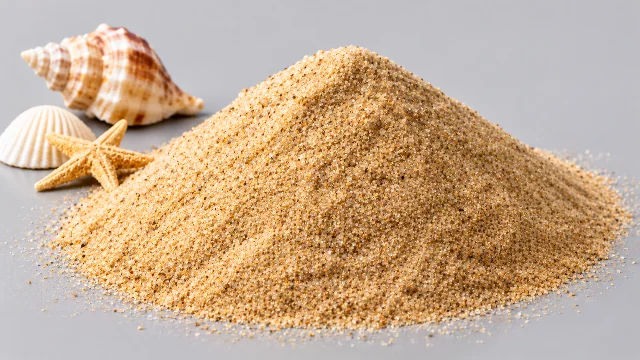
Visual representation of "sand"
Definitions of Sand
- 1砂noun
Sand is a loose granular material consisting of finely divided rock and mineral particles, typically found on beaches, in deserts, and used in construction.
砂は、砂浜、砂漠などで見られる、岩石や鉱物の微細な粒子の緩い粒状の物質で、建設にも使用されます。 - 2研ぐverb
To sand something means to smooth or polish its surface using abrasive material like sandpaper or a sanding machine.
何かを研ぐとは、サンドペーパーやサンディングマシンなどの研磨材を使用して表面を滑らかにしたり磨いたりすることです。
Example Sentences
Topics & Categories
Topic & ExploreInflected Word Forms
past participlesanded
gerundsanding
agent nounsander
adjectivesandy
Phrases & Idiomatic Expressions
bury one's head in the sandidiom
To ignore an obvious danger or unpleasant situation by pretending it does not exist.
draw a line in the sandidiom
To set a limit beyond which one will not go, or a point at which one will stop.
sands of timeexpression
A poetic or metaphorical reference to the passage of time.
Frequently Asked Questions: Sand in Japanese
What is the meaning of Sand in Japanese?▼
Sand の日本語の意味は「砂, 研ぐ」です。 (砂は、砂浜、砂漠などで見られる、岩石や鉱物の微細な粒子の緩い粒状の物質で、建設にも使用されます。)
How do you translate 'Sand' to Japanese?▼
'Sand' translates to '砂' in Japanese. Sand の日本語の意味は「砂, 研ぐ」です。 (砂は、砂浜、砂漠などで見られる、岩石や鉱物の微細な粒子の緩い粒状の物質で、建設にも使用されます。)
What is '砂' called in English?▼
'砂' in English is called "Sand". Sand refers to: 砂は、砂浜、砂漠などで見られる、岩石や鉱物の微細な粒子の緩い粒状の物質で、建設にも使用されます。
How do you pronounce 'Sand' and '砂'?▼
Listen to clear English audio pronunciation of 'Sand' (IPA: /suna/) and native Japanese audio speech for '砂' with bilingual sentence examples on DictBridge.
What is an example sentence for Sand in Japanese?▼
English: "The children built a large sandcastle on the beach." | Japanese: "子供たちは砂浜で大きな砂の城を建てました。"
Related Words in Natural Elements
Explore contextually related English vocabulary with verified Japanese meanings, pronunciations, and sentence usages: