
train Meaning in Japanese (train 英語 意味)
noun · verbnoun
列車, トレーン
verb訓練する
列車 in English:train
IPA:reɕːa
Phonetic:れっしゃ
Quick Answer • 要約
Train の日本語の意味は「列車, トレーン, 訓練する」です。 (機関車または各車両のモーターによって牽引され、線路上を走る連結された鉄道車両または貨車の連なり。)
Concept Illustration
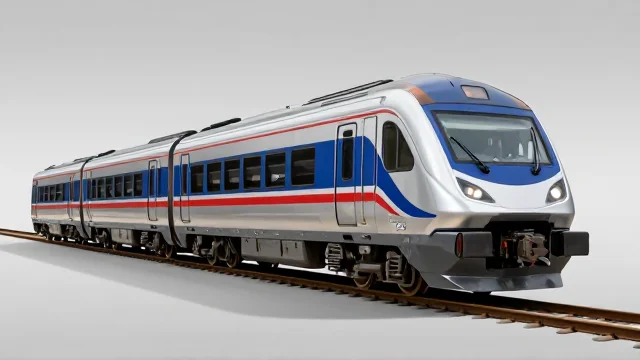
Visual representation of "train"
Definitions of Train
- 1列車noun
A series of connected railway carriages or wagons pulled by a locomotive or by motors in each car, running on a railway.
機関車または各車両のモーターによって牽引され、線路上を走る連結された鉄道車両または貨車の連なり。 - 2訓練するverb
To teach a person or animal a particular skill or type of behavior through practice and instruction.
練習と指導を通じて、人や動物に特定のスキルや行動様式を教えること。 - 3トレーンnoun
The long part of a dress or robe that trails on the ground behind the wearer.
着用者の後ろを地面に引きずるドレスやローブの長い部分。
Example Sentences
Synonyms (類語)
In English:
Topics & Categories
Topic & ExploreInflected Word Forms
past participletrained
gerundtraining
agent nountrainer
adjectiveuntrained
adjectivetrainable
Phrases & Idiomatic Expressions
train of thoughtexpression
A sequence of connected ideas or thoughts.
train hardcollocation
To exercise or practice with great effort and intensity.
Frequently Asked Questions: Train in Japanese
What is the meaning of Train in Japanese?▼
Train の日本語の意味は「列車, トレーン, 訓練する」です。 (機関車または各車両のモーターによって牽引され、線路上を走る連結された鉄道車両または貨車の連なり。)
How do you translate 'Train' to Japanese?▼
'Train' translates to '列車' in Japanese. Train の日本語の意味は「列車, トレーン, 訓練する」です。 (機関車または各車両のモーターによって牽引され、線路上を走る連結された鉄道車両または貨車の連なり。)
What is '列車' called in English?▼
'列車' in English is called "Train". Train refers to: 機関車または各車両のモーターによって牽引され、線路上を走る連結された鉄道車両または貨車の連なり。
How do you pronounce 'Train' and '列車'?▼
Listen to clear English audio pronunciation of 'Train' (IPA: /reɕːa/) and native Japanese audio speech for '列車' with bilingual sentence examples on DictBridge.
What is an example sentence for Train in Japanese?▼
English: "The train arrived at the station on time." | Japanese: "列車は時間通りに駅に到着した。"
Related Words in Vehicles
Explore contextually related English vocabulary with verified Japanese meanings, pronunciations, and sentence usages: