
Topic: Common AnimalsWord 8 of 69
bull Meaning in Korean (bull 영어 뜻)
noun황소, 강세장 투자자, 헛소리
유의어:수소
황소 in English:bull
IPA:hwangsɔ
Plural: bulls
Quick Answer • 요약
Bull의 한국어 뜻은 황소, 강세장 투자자, 헛소리입니다. (성숙한 수컷 소로, 주로 번식이나 고기를 얻기 위해 사육됩니다.)
Concept Illustration
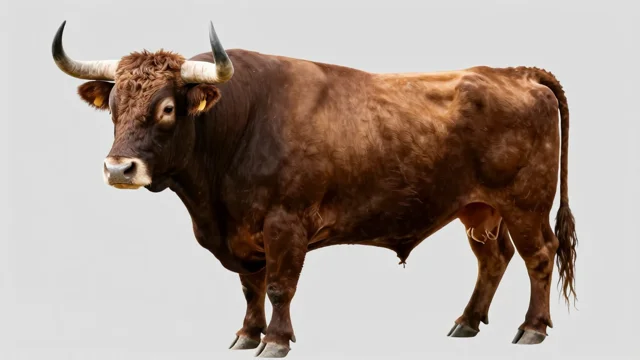
Visual representation of "bull"
Definitions of Bull
- 1황소noun
A bull is an adult male bovine animal, often kept for breeding or meat.
성숙한 수컷 소로, 주로 번식이나 고기를 얻기 위해 사육됩니다. - 2강세장 투자자noun
In financial markets, a 'bull' refers to an investor who believes that a market or a stock is going to rise.
금융 시장에서 '강세장 투자자'는 시장이나 주가가 상승할 것이라고 믿는 투자자를 지칭합니다. - 3헛소리noun(informal)
Informally, 'bull' can mean foolish or untrue talk; nonsense.
비격식적으로 '헛소리'는 어리석거나 사실이 아닌 말을 의미합니다.
Example Sentences
Synonyms (유의어)
In Korean:
수소헛소리
Topics & Categories
Topic & ExploreInflected Word Forms
nounbullock
agent nounbullfighter
adjectivebullish
Phrases & Idiomatic Expressions
take the bull by the hornsidiom
To deal with a difficult situation directly and courageously.
like a bull in a china shopidiom
Clumsy and careless in a delicate situation.
bull marketcollocation
A financial market in which prices are rising or are expected to rise.
Frequently Asked Questions: Bull in Korean
What is the meaning of Bull in Korean?▼
Bull의 한국어 뜻은 황소, 강세장 투자자, 헛소리입니다. (성숙한 수컷 소로, 주로 번식이나 고기를 얻기 위해 사육됩니다.)
How do you translate 'Bull' to Korean?▼
'Bull' translates to '황소' in Korean. Bull의 한국어 뜻은 황소, 강세장 투자자, 헛소리입니다. (성숙한 수컷 소로, 주로 번식이나 고기를 얻기 위해 사육됩니다.)
What is '황소' called in English?▼
'황소' in English is called "Bull". Bull refers to: 성숙한 수컷 소로, 주로 번식이나 고기를 얻기 위해 사육됩니다.
How do you pronounce 'Bull' and '황소'?▼
Listen to clear English audio pronunciation of 'Bull' (IPA: /hwangsɔ/) and native Korean audio speech for '황소' with bilingual sentence examples on DictBridge.
What is an example sentence for Bull in Korean?▼
English: "The farmer led the bull back to the pasture." | Korean: "농부는 황소를 목초지로 다시 데려갔다."
Related Words in Common Animals
Explore contextually related English vocabulary with verified Korean meanings, pronunciations, and sentence usages: