
sit Meaning in Korean (sit 영어 뜻)
verb앉다
유의어:착석하다자리 잡다
앉다 in English:sit
IPA:ɐɲt͈ɐ
Phonetic:안따
Quick Answer • 요약
Sit의 한국어 뜻은 앉다입니다. (엉덩이와 등을 대고, 보통 의자나 바닥에 몸을 지탱하며 쉬다.)
Concept Illustration
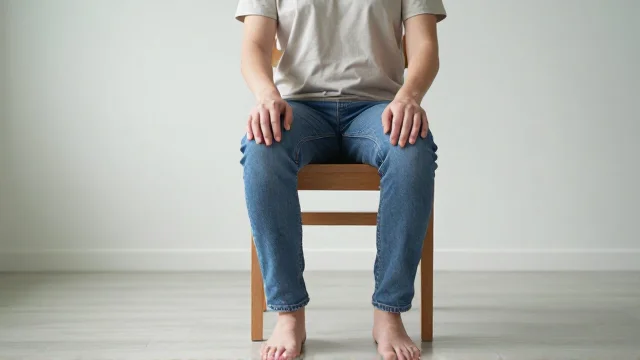
Visual representation of "sit"
Definitions of Sit
Example Sentences
Topics & Categories
Topic & ExploreInflected Word Forms
past tensesat
present participlesitting
agent nounsitter
adjectiveseated
Phrases & Idiomatic Expressions
sit downphrasal_verb
To move from a standing position to a sitting position.
sit in judgmentidiom
To criticize or pass judgment on someone or something.
sit tightidiom
To wait patiently and not take any action.
Frequently Asked Questions: Sit in Korean
What is the meaning of Sit in Korean?▼
Sit의 한국어 뜻은 앉다입니다. (엉덩이와 등을 대고, 보통 의자나 바닥에 몸을 지탱하며 쉬다.)
How do you translate 'Sit' to Korean?▼
'Sit' translates to '앉다' in Korean. Sit의 한국어 뜻은 앉다입니다. (엉덩이와 등을 대고, 보통 의자나 바닥에 몸을 지탱하며 쉬다.)
What is '앉다' called in English?▼
'앉다' in English is called "Sit". Sit refers to: 엉덩이와 등을 대고, 보통 의자나 바닥에 몸을 지탱하며 쉬다.
How do you pronounce 'Sit' and '앉다'?▼
Listen to clear English audio pronunciation of 'Sit' (IPA: /ɐɲt͈ɐ/) and native Korean audio speech for '앉다' with bilingual sentence examples on DictBridge.
What is an example sentence for Sit in Korean?▼
English: "Please sit down." | Korean: "앉으세요."
Related Words in Body Actions (Verbs)
Explore contextually related English vocabulary with verified Korean meanings, pronunciations, and sentence usages: