
tooth Meaning in Korean (tooth 영어 뜻)
noun이
유의어:치아
이 in English:tooth
IPA:i
Plural: teeth
Quick Answer • 요약
Tooth의 한국어 뜻은 이입니다. (대부분의 척추동물 입안에 있는 단단하고 뼈와 같은 부속 기관으로, 음식을 물고 씹는 데 사용됩니다.)
Concept Illustration
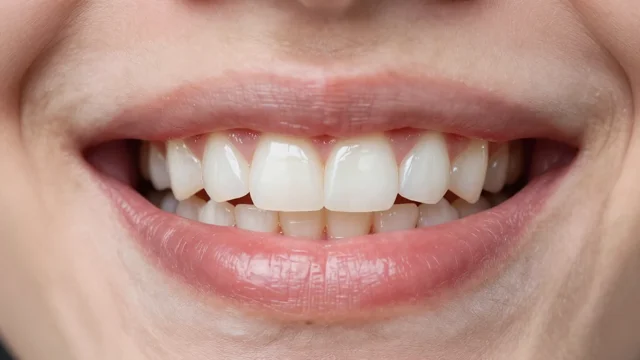
Visual representation of "tooth"
Definitions of Tooth
Example Sentences
Synonyms (유의어)
In Korean:
치아
Topics & Categories
Topic & Explore💡Usage & Grammar Note
일반적으로 복수형은 'teeth'를 사용합니다.
Inflected Word Forms
nountoothache
nountoothbrush
adjectivetoothed
adjectivetoothless
Phrases & Idiomatic Expressions
sweet toothidiom
A strong liking or craving for sweet foods.
fight tooth and nailidiom
To fight with great determination and effort.
by the skin of one's teethidiom
By the narrowest of margins; barely.
Frequently Asked Questions: Tooth in Korean
What is the meaning of Tooth in Korean?▼
Tooth의 한국어 뜻은 이입니다. (대부분의 척추동물 입안에 있는 단단하고 뼈와 같은 부속 기관으로, 음식을 물고 씹는 데 사용됩니다.)
How do you translate 'Tooth' to Korean?▼
'Tooth' translates to '이' in Korean. Tooth의 한국어 뜻은 이입니다. (대부분의 척추동물 입안에 있는 단단하고 뼈와 같은 부속 기관으로, 음식을 물고 씹는 데 사용됩니다.)
What is '이' called in English?▼
'이' in English is called "Tooth". Tooth refers to: 대부분의 척추동물 입안에 있는 단단하고 뼈와 같은 부속 기관으로, 음식을 물고 씹는 데 사용됩니다.
How do you pronounce 'Tooth' and '이'?▼
Listen to clear English audio pronunciation of 'Tooth' (IPA: /i/) and native Korean audio speech for '이' with bilingual sentence examples on DictBridge.
What is an example sentence for Tooth in Korean?▼
English: "She brushed her teeth every morning." | Korean: "그녀는 매일 아침 이를 닦았습니다."
Related Words in Human Body Parts (External)
Explore contextually related English vocabulary with verified Korean meanings, pronunciations, and sentence usages: