
bee Meaning in Turkish (bee Türkçe anlamı)
nounarı, bal arısı
arı in English:bee
Phonetic:aɾɯ
Quick Answer • Özet
Bee kelimesinin Türkçe anlamı: arı, bal arısı. (Büyük koloniler halinde yaşayan, genellikle sarı ve siyah renkli, bal ve balmumu yapan uçan bir böcek.)
Concept Illustration
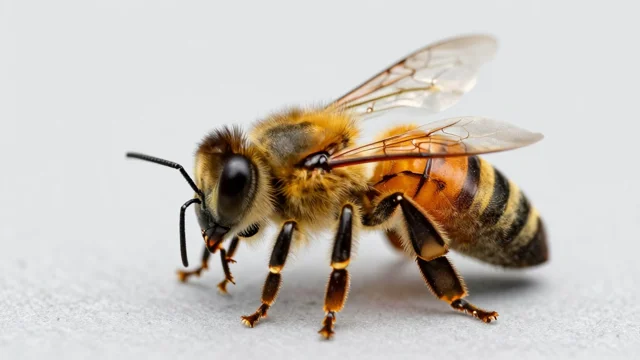
Visual representation of "bee"
Definitions of Bee
Example Sentences
casual
“The bee buzzed around the colorful flowers, collecting nectar.”
Arı, nektar toplamak için rengarenk çiçeklerin etrafında vızıldadı.
general
“A single bee can visit thousands of flowers in a day.”
Tek bir arı bir günde binlerce çiçeği ziyaret edebilir.
Synonyms (Eş Anlamlılar)
In English:
honeybee
Topics & Categories
Topic & ExploreInflected Word Forms
nounbeehive
pluralbees
agent nounbeekeeper
Phrases & Idiomatic Expressions
busy as a beeidiom
Extremely busy and active.
the bee's kneesidiom
An excellent or highly admired person or thing.
Frequently Asked Questions: Bee in Turkish
What is the meaning of Bee in Turkish?▼
Bee kelimesinin Türkçe anlamı: arı, bal arısı. (Büyük koloniler halinde yaşayan, genellikle sarı ve siyah renkli, bal ve balmumu yapan uçan bir böcek.)
How do you translate 'Bee' to Turkish?▼
'Bee' translates to 'arı' in Turkish. Bee kelimesinin Türkçe anlamı: arı, bal arısı. (Büyük koloniler halinde yaşayan, genellikle sarı ve siyah renkli, bal ve balmumu yapan uçan bir böcek.)
What is 'arı' called in English?▼
'arı' in English is called "Bee". Bee refers to: Büyük koloniler halinde yaşayan, genellikle sarı ve siyah renkli, bal ve balmumu yapan uçan bir böcek.
How do you pronounce 'Bee' and 'arı'?▼
Listen to clear English audio pronunciation of 'Bee' and native Turkish audio speech for 'arı' with bilingual sentence examples on DictBridge.
What is an example sentence for Bee in Turkish?▼
English: "The bee buzzed around the colorful flowers, collecting nectar." | Turkish: "Arı, nektar toplamak için rengarenk çiçeklerin etrafında vızıldadı."
Related Words in Common Animals
Explore contextually related English vocabulary with verified Turkish meanings, pronunciations, and sentence usages: