
arm Meaning in Japanese (arm 英語 意味)
noun · verbnoun
腕, 武器
verb武装する
腕 in English:arm
Phonetic:うで
Quick Answer • 要約
Arm の日本語の意味は「腕, 武器, 武装する」です。 (肩から手まで伸びる人間の上半身の部分。)
Concept Illustration
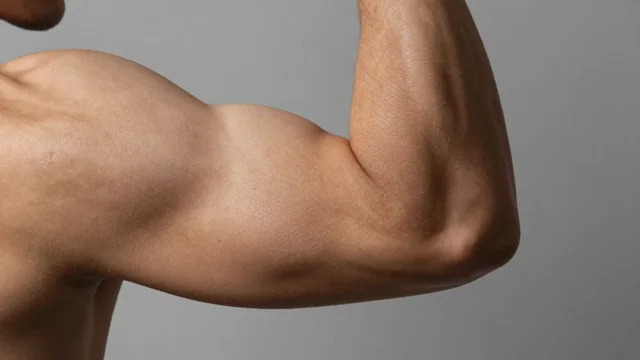
Visual representation of "arm"
Definitions of Arm
Example Sentences
Antonyms (対義語)
In English:
Topics & Categories
Topic & ExploreInflected Word Forms
present participlearming
nounarmory
nounarmband
adjectivearmed
Phrases & Idiomatic Expressions
arm in armexpression
With arms linked together, typically for support or companionship.
with open armsidiom
With great enthusiasm and warmth.
bear armscollocation
To carry or possess weapons, especially as a soldier or for self-defense.
Frequently Asked Questions: Arm in Japanese
What is the meaning of Arm in Japanese?▼
Arm の日本語の意味は「腕, 武器, 武装する」です。 (肩から手まで伸びる人間の上半身の部分。)
How do you translate 'Arm' to Japanese?▼
'Arm' translates to '腕' in Japanese. Arm の日本語の意味は「腕, 武器, 武装する」です。 (肩から手まで伸びる人間の上半身の部分。)
What is '腕' called in English?▼
'腕' in English is called "Arm". Arm refers to: 肩から手まで伸びる人間の上半身の部分。
How do you pronounce 'Arm' and '腕'?▼
Listen to clear English audio pronunciation of 'Arm' and native Japanese audio speech for '腕' with bilingual sentence examples on DictBridge.
What is an example sentence for Arm in Japanese?▼
English: "She held the baby in her arms." | Japanese: "彼女は赤ちゃんを腕に抱いていた。"
Related Words in Human Body Parts (External)
Explore contextually related English vocabulary with verified Japanese meanings, pronunciations, and sentence usages: