
brain Meaning in Japanese (brain 英語 意味)
noun · verbnoun
脳, 頭脳
verb殴打する
脳 in English:brain
IPA:noʊ
Phonetic:のう
Quick Answer • 要約
Brain の日本語の意味は「脳, 頭脳, 殴打する」です。 (脊椎動物の頭蓋骨内に含まれる、感覚、知性、神経活動の中枢として機能する、柔らかい神経組織の器官。)
Concept Illustration
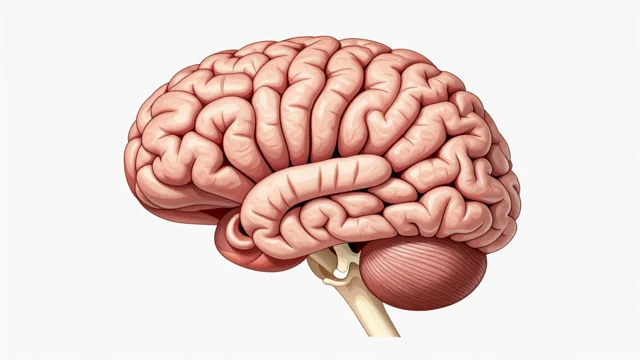
Visual representation of "brain"
Definitions of Brain
- 1脳noun
The organ of soft nervous tissue contained in the skull of vertebrates, functioning as the coordinating center of sensation and intellectual and nervous activity.
脊椎動物の頭蓋骨内に含まれる、感覚、知性、神経活動の中枢として機能する、柔らかい神経組織の器官。 - 2頭脳noun
Intellectual capacity or intelligence.
知的能力または知性。 - 3殴打するverb(informal)
To hit someone hard on the head.
頭部を強く打つ。
Example Sentences
Topics & Categories
Topic & ExploreInflected Word Forms
past tensebrained
gerundbrainwashing
adjectivebrainy
adjectivebrainless
Phrases & Idiomatic Expressions
brain drainidiom
The emigration of highly trained or qualified people from a particular country.
pick someone's brainidiom
To ask someone who knows a lot about a subject for information or their opinion.
rack your brainidiom
To think very hard about something, trying to remember or find a solution.
Frequently Asked Questions: Brain in Japanese
What is the meaning of Brain in Japanese?▼
Brain の日本語の意味は「脳, 頭脳, 殴打する」です。 (脊椎動物の頭蓋骨内に含まれる、感覚、知性、神経活動の中枢として機能する、柔らかい神経組織の器官。)
How do you translate 'Brain' to Japanese?▼
'Brain' translates to '脳' in Japanese. Brain の日本語の意味は「脳, 頭脳, 殴打する」です。 (脊椎動物の頭蓋骨内に含まれる、感覚、知性、神経活動の中枢として機能する、柔らかい神経組織の器官。)
What is '脳' called in English?▼
'脳' in English is called "Brain". Brain refers to: 脊椎動物の頭蓋骨内に含まれる、感覚、知性、神経活動の中枢として機能する、柔らかい神経組織の器官。
How do you pronounce 'Brain' and '脳'?▼
Listen to clear English audio pronunciation of 'Brain' (IPA: /noʊ/) and native Japanese audio speech for '脳' with bilingual sentence examples on DictBridge.
What is an example sentence for Brain in Japanese?▼
English: "The human brain is a complex organ." | Japanese: "人間の脳は複雑な器官である。"
Related Words in Human Body Parts (Internal)
Explore contextually related English vocabulary with verified Japanese meanings, pronunciations, and sentence usages: