
clam Meaning in Japanese (clam 英語 意味)
noun · verbnoun
クラム, ハマグリ
verb口をつぐむ
類語:アサリ黙る
クラム in English:clam
IPA:klæm
Quick Answer • 要約
Clam の日本語の意味は「クラム, ハマグリ, 口をつぐむ」です。 (砂や泥の中に埋まって生息する、通常は食用になる二枚貝の軟体動物。)
Concept Illustration
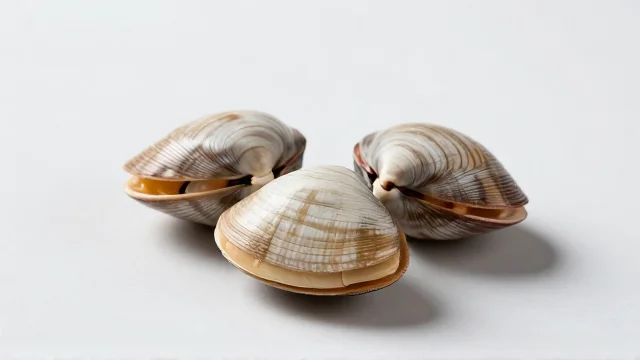
Visual representation of "clam"
Definitions of Clam
- 1ハマグリnoun
A bivalve mollusk, typically edible, that lives buried in sand or mud.
砂や泥の中に埋まって生息する、通常は食用になる二枚貝の軟体動物。 - 2口をつぐむverb(informal)
To suddenly stop talking or become silent, especially when asked a question.
特に質問されたときに、突然話しをやめたり黙り込んだりすること。
Example Sentences
Synonyms (類語)
In Japanese:
ハマグリアサリ口をつぐむ黙る
In English:
bivalve
Antonyms (対義語)
In Japanese:
話すしゃべる
Topics & Categories
Topic & ExploreInflected Word Forms
past tenseclammed
present participleclamming
nounclamshell
Phrases & Idiomatic Expressions
clam upphrasal_verb
To suddenly stop talking or become silent.
happy as a clamidiom
Extremely happy and content.
Frequently Asked Questions: Clam in Japanese
What is the meaning of Clam in Japanese?▼
Clam の日本語の意味は「クラム, ハマグリ, 口をつぐむ」です。 (砂や泥の中に埋まって生息する、通常は食用になる二枚貝の軟体動物。)
How do you translate 'Clam' to Japanese?▼
'Clam' translates to 'クラム' in Japanese. Clam の日本語の意味は「クラム, ハマグリ, 口をつぐむ」です。 (砂や泥の中に埋まって生息する、通常は食用になる二枚貝の軟体動物。)
What is 'クラム' called in English?▼
'クラム' in English is called "Clam". Clam refers to: 砂や泥の中に埋まって生息する、通常は食用になる二枚貝の軟体動物。
How do you pronounce 'Clam' and 'クラム'?▼
Listen to clear English audio pronunciation of 'Clam' (IPA: /klæm/) and native Japanese audio speech for 'クラム' with bilingual sentence examples on DictBridge.
What is an example sentence for Clam in Japanese?▼
English: "We dug for clams on the beach during our vacation." | Japanese: "休暇中に私たちはビーチでハマグリを掘った。"
Related Words in Aquatic Animals
Explore contextually related English vocabulary with verified Japanese meanings, pronunciations, and sentence usages: