
noun · verb
English to Portuguese Dictionary
clam Meaning in Portuguese (clam significado em português)
nounamêijoa
verbcalar-se
Sinônimos:mexilhãoostra
amêijoa in English:clam
Plural: clams
Gender:Feminino
Quick Answer • Resumo
O significado de clam em português é amêijoa, calar-se. (Um molusco bivalve, tipicamente comestível, que vive enterrado na areia ou na lama.)
Concept Illustration
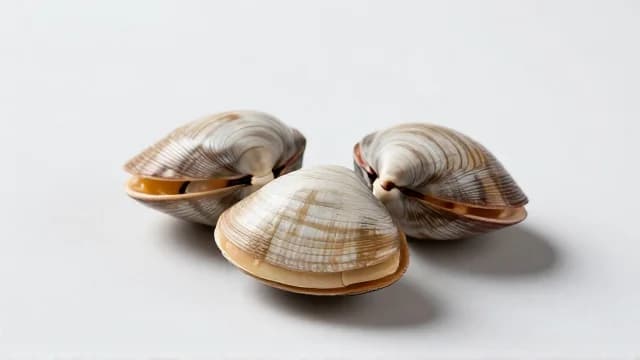
Visual representation of "clam"
Definitions of Clam
- 1
- 2verb(informal)calar-se
To suddenly stop talking or become silent, especially when asked a question.
Parar de falar repentinamente ou ficar em silêncio, especialmente quando se faz uma pergunta.
Example Sentences
Topics & Categories
Topic & ExploreSynonyms (Sinônimos)
In Portuguese:
mexilhãoostra
In English:
bivalve
Antonyms (Antônimos)
In Portuguese:
falarresponder
Inflected Word Forms
past tenseclammed
present participleclamming
nounclamshell
Phrases & Idiomatic Expressions
clam upphrasal_verb
To suddenly stop talking or become silent.
happy as a clamidiom
Extremely happy and content.