
Topic: FruitsWord 12 of 38
fig Meaning in Japanese (fig 英語 意味)
nounいちじく, いちじくの木
いちじく in English:fig
IPA:it͡ɕid͡ʑikɯ
Phonetic:イチジク
Quick Answer • 要約
Fig の日本語の意味は「いちじく, いちじくの木」です。 (イチジクの木になる、柔らかくて甘い果実。多くの小さな種があり、しばしば生または乾燥して食べられる。)
Concept Illustration
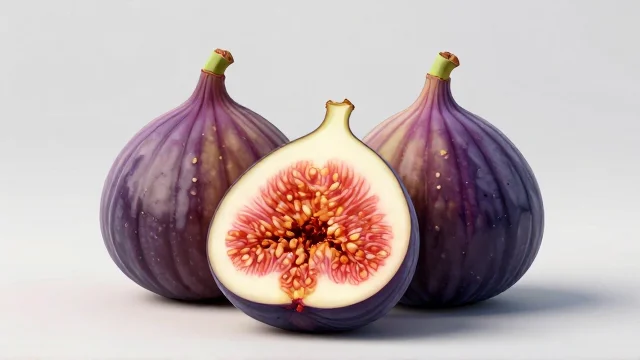
Visual representation of "fig"
Definitions of Fig
Example Sentences
Topics & Categories
Topic & ExploreInflected Word Forms
nounfig tree
adjectivefiggy
Phrases & Idiomatic Expressions
not care a figidiom
To not care at all; to be completely indifferent.
in full figidiom
Dressed in elaborate or formal clothes.
Frequently Asked Questions: Fig in Japanese
What is the meaning of Fig in Japanese?▼
Fig の日本語の意味は「いちじく, いちじくの木」です。 (イチジクの木になる、柔らかくて甘い果実。多くの小さな種があり、しばしば生または乾燥して食べられる。)
How do you translate 'Fig' to Japanese?▼
'Fig' translates to 'いちじく' in Japanese. Fig の日本語の意味は「いちじく, いちじくの木」です。 (イチジクの木になる、柔らかくて甘い果実。多くの小さな種があり、しばしば生または乾燥して食べられる。)
What is 'いちじく' called in English?▼
'いちじく' in English is called "Fig". Fig refers to: イチジクの木になる、柔らかくて甘い果実。多くの小さな種があり、しばしば生または乾燥して食べられる。
How do you pronounce 'Fig' and 'いちじく'?▼
Listen to clear English audio pronunciation of 'Fig' (IPA: /it͡ɕid͡ʑikɯ/) and native Japanese audio speech for 'いちじく' with bilingual sentence examples on DictBridge.
What is an example sentence for Fig in Japanese?▼
English: "She enjoys eating fresh figs with honey for breakfast." | Japanese: "彼女は朝食に蜂蜜をかけた新鮮ないちじくを食べるのを楽しんでいる。"
Related Words in Fruits
Explore contextually related English vocabulary with verified Japanese meanings, pronunciations, and sentence usages: