
pot Meaning in Japanese (pot 英語 意味)
noun鍋, 植木鉢, マリファナ
鍋 in English:pot
Phonetic:なべ
Quick Answer • 要約
Pot の日本語の意味は「鍋, 植木鉢, マリファナ」です。 (料理、盛り付け、または食品や液体を保管するために使用される、通常は陶器または金属製の丸い容器。)
Concept Illustration
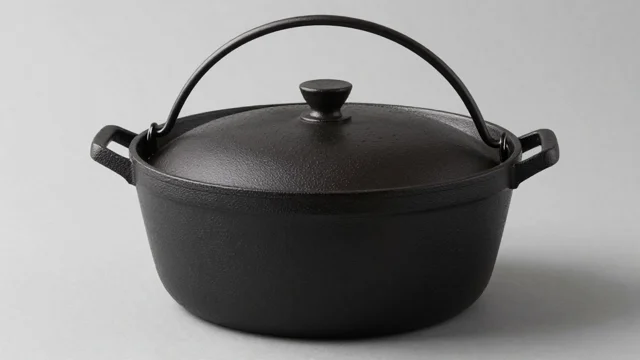
Visual representation of "pot"
Definitions of Pot
- 1鍋noun
A round container, typically made of earthenware or metal, used for cooking, serving, or storing food and liquids.
料理、盛り付け、または食品や液体を保管するために使用される、通常は陶器または金属製の丸い容器。 - 2植木鉢noun
A container, often made of clay or plastic, in which a plant is grown.
植物を育てるために使用される、しばしば粘土またはプラスチック製の容器。 - 3マリファナnoun(slang)
An informal term for marijuana, a psychoactive drug derived from the cannabis plant.
大麻植物から派生した精神活性薬であるマリファナの非公式な用語。
Example Sentences
Topics & Categories
Topic & ExploreInflected Word Forms
past participlepotted
gerundpotting
nounpottery
agent nounpotter
Phrases & Idiomatic Expressions
go to potidiom
To deteriorate completely; to become ruined or worthless.
a watched pot never boilsidiom
Time seems to pass more slowly when one is waiting for something to happen.
pot calling the kettle blackidiom
Used to say that someone is criticizing another person for a fault that they have themselves.
Frequently Asked Questions: Pot in Japanese
What is the meaning of Pot in Japanese?▼
Pot の日本語の意味は「鍋, 植木鉢, マリファナ」です。 (料理、盛り付け、または食品や液体を保管するために使用される、通常は陶器または金属製の丸い容器。)
How do you translate 'Pot' to Japanese?▼
'Pot' translates to '鍋' in Japanese. Pot の日本語の意味は「鍋, 植木鉢, マリファナ」です。 (料理、盛り付け、または食品や液体を保管するために使用される、通常は陶器または金属製の丸い容器。)
What is '鍋' called in English?▼
'鍋' in English is called "Pot". Pot refers to: 料理、盛り付け、または食品や液体を保管するために使用される、通常は陶器または金属製の丸い容器。
How do you pronounce 'Pot' and '鍋'?▼
Listen to clear English audio pronunciation of 'Pot' and native Japanese audio speech for '鍋' with bilingual sentence examples on DictBridge.
What is an example sentence for Pot in Japanese?▼
English: "She cooked the stew in a large clay pot." | Japanese: "彼女は大きな土鍋でシチューを煮込んだ。"
Related Words in Household Objects
Explore contextually related English vocabulary with verified Japanese meanings, pronunciations, and sentence usages: