
tangerine Meaning in Japanese (tangerine 英語 意味)
noun · adjectivenoun
タンジェリン
adjectiveタンジェリン色の
タンジェリン in English:tangerine
IPA:tændʒəˈriːn
Quick Answer • 要約
Tangerine の日本語の意味は「タンジェリン, タンジェリン色の」です。 (皮がむきやすく、通常は赤みがかったオレンジ色をした、温州みかんの一種である小型の柑橘類。)
Concept Illustration
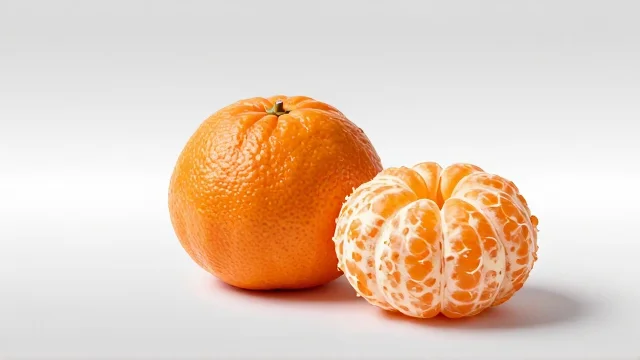
Visual representation of "tangerine"
Definitions of Tangerine
- 1タンジェリンnoun
A small citrus fruit with a loose, easily peeled skin, typically reddish-orange, that is a variety of mandarin orange.
皮がむきやすく、通常は赤みがかったオレンジ色をした、温州みかんの一種である小型の柑橘類。 - 2タンジェリン色のadjective
Having a reddish-orange color, characteristic of the tangerine fruit.
タンジェリンの果実のような、赤みがかったオレンジ色をした。
Example Sentences
Synonyms (類語)
In English:
mandarinclementine
Topics & Categories
Topic & ExploreInflected Word Forms
adjectivetangerine-colored
Frequently Asked Questions: Tangerine in Japanese
What is the meaning of Tangerine in Japanese?▼
Tangerine の日本語の意味は「タンジェリン, タンジェリン色の」です。 (皮がむきやすく、通常は赤みがかったオレンジ色をした、温州みかんの一種である小型の柑橘類。)
How do you translate 'Tangerine' to Japanese?▼
'Tangerine' translates to 'タンジェリン' in Japanese. Tangerine の日本語の意味は「タンジェリン, タンジェリン色の」です。 (皮がむきやすく、通常は赤みがかったオレンジ色をした、温州みかんの一種である小型の柑橘類。)
What is 'タンジェリン' called in English?▼
'タンジェリン' in English is called "Tangerine". Tangerine refers to: 皮がむきやすく、通常は赤みがかったオレンジ色をした、温州みかんの一種である小型の柑橘類。
How do you pronounce 'Tangerine' and 'タンジェリン'?▼
Listen to clear English audio pronunciation of 'Tangerine' (IPA: /tændʒəˈriːn/) and native Japanese audio speech for 'タンジェリン' with bilingual sentence examples on DictBridge.
What is an example sentence for Tangerine in Japanese?▼
English: "She peeled a tangerine and shared a segment with her friend." | Japanese: "彼女はタンジェリンの皮をむき、一片を友達と分け合った。"
Related Words in Fruits
Explore contextually related English vocabulary with verified Japanese meanings, pronunciations, and sentence usages: