
Topic: VehiclesWord 8 of 40
buggy Meaning in Korean (buggy 영어 뜻)
noun · adjectivenoun
버기, 유모차
adjective벌레 먹은
버기 in English:buggy
Quick Answer • 요약
Buggy의 한국어 뜻은 버기, 유모차, 벌레 먹은입니다. (작고 가벼운 차량으로, 종종 지붕이 없고 비포장도로 주행이나 레크리에이션용으로 설계됨.)
Concept Illustration
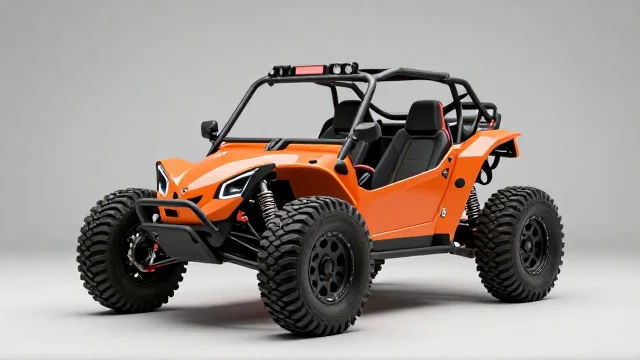
Visual representation of "buggy"
Definitions of Buggy
- 1버기noun
A small, lightweight vehicle, often open-topped and designed for off-road use or as a recreational vehicle.
작고 가벼운 차량으로, 종종 지붕이 없고 비포장도로 주행이나 레크리에이션용으로 설계됨. - 2유모차noun
A light folding pushchair for a baby or young child.
아기나 어린아이를 위한 가볍고 접이식인 밀차. - 3벌레 먹은adjective
Infested with or full of insects, especially bedbugs.
곤충, 특히 빈대에 들끓거나 가득 찬.
Example Sentences
Topics & Categories
Topic & ExploreInflected Word Forms
nounbugginess
pluralbuggies
Frequently Asked Questions: Buggy in Korean
What is the meaning of Buggy in Korean?▼
Buggy의 한국어 뜻은 버기, 유모차, 벌레 먹은입니다. (작고 가벼운 차량으로, 종종 지붕이 없고 비포장도로 주행이나 레크리에이션용으로 설계됨.)
How do you translate 'Buggy' to Korean?▼
'Buggy' translates to '버기' in Korean. Buggy의 한국어 뜻은 버기, 유모차, 벌레 먹은입니다. (작고 가벼운 차량으로, 종종 지붕이 없고 비포장도로 주행이나 레크리에이션용으로 설계됨.)
What is '버기' called in English?▼
'버기' in English is called "Buggy". Buggy refers to: 작고 가벼운 차량으로, 종종 지붕이 없고 비포장도로 주행이나 레크리에이션용으로 설계됨.
How do you pronounce 'Buggy' and '버기'?▼
Listen to clear English audio pronunciation of 'Buggy' and native Korean audio speech for '버기' with bilingual sentence examples on DictBridge.
What is an example sentence for Buggy in Korean?▼
English: "They rented a dune buggy to explore the desert." | Korean: "그들은 사막을 탐험하기 위해 버기를 빌렸다."
Related Words in Vehicles
Explore contextually related English vocabulary with verified Korean meanings, pronunciations, and sentence usages: