
Topic: FruitsWord 18 of 38
kiwi Meaning in Korean (kiwi 영어 뜻)
noun키위, 키위새
유의어:양귀비미니 파인애플
키위 in English:kiwi
IPA:ˈkiːwi
Plural: kiwis
Quick Answer • 요약
Kiwi의 한국어 뜻은 키위, 키위새입니다. (작고 타원형이며, 갈색의 털이 나는 껍질과 녹색 과육, 작고 검은 씨앗을 가진 과일로, 달콤하고 톡 쏘는 맛으로 알려져 있습니다.)
Concept Illustration
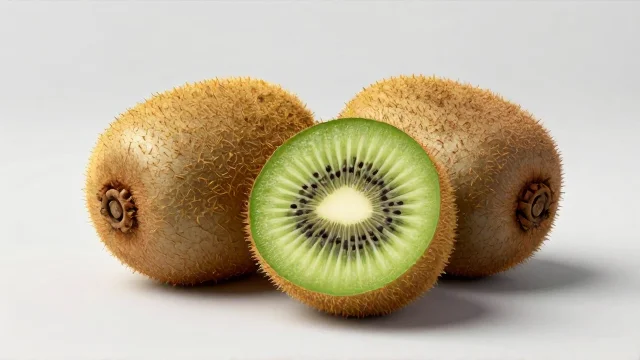
Visual representation of "kiwi"
Definitions of Kiwi
- 1키위noun
A small, oval fruit with a fuzzy brown skin, green flesh, and tiny black seeds, known for its sweet and tangy flavor.
작고 타원형이며, 갈색의 털이 나는 껍질과 녹색 과육, 작고 검은 씨앗을 가진 과일로, 달콤하고 톡 쏘는 맛으로 알려져 있습니다. - 2키위새noun
A flightless nocturnal bird native to New Zealand, characterized by its long beak and hair-like feathers.
긴 부리와 털과 같은 깃털이 특징인 뉴질랜드 고유의 날지 못하는 야행성 새.
Example Sentences
Synonyms (유의어)
In Korean:
양귀비미니 파인애플
In English:
kiwifruit
Topics & Categories
Topic & ExploreInflected Word Forms
nounkiwifruit
Frequently Asked Questions: Kiwi in Korean
What is the meaning of Kiwi in Korean?▼
Kiwi의 한국어 뜻은 키위, 키위새입니다. (작고 타원형이며, 갈색의 털이 나는 껍질과 녹색 과육, 작고 검은 씨앗을 가진 과일로, 달콤하고 톡 쏘는 맛으로 알려져 있습니다.)
How do you translate 'Kiwi' to Korean?▼
'Kiwi' translates to '키위' in Korean. Kiwi의 한국어 뜻은 키위, 키위새입니다. (작고 타원형이며, 갈색의 털이 나는 껍질과 녹색 과육, 작고 검은 씨앗을 가진 과일로, 달콤하고 톡 쏘는 맛으로 알려져 있습니다.)
What is '키위' called in English?▼
'키위' in English is called "Kiwi". Kiwi refers to: 작고 타원형이며, 갈색의 털이 나는 껍질과 녹색 과육, 작고 검은 씨앗을 가진 과일로, 달콤하고 톡 쏘는 맛으로 알려져 있습니다.
How do you pronounce 'Kiwi' and '키위'?▼
Listen to clear English audio pronunciation of 'Kiwi' (IPA: /ˈkiːwi/) and native Korean audio speech for '키위' with bilingual sentence examples on DictBridge.
What is an example sentence for Kiwi in Korean?▼
English: "She bought a bag of fresh kiwis from the market." | Korean: "그녀는 시장에서 신선한 키위 몇 개를 샀다."
Related Words in Fruits
Explore contextually related English vocabulary with verified Korean meanings, pronunciations, and sentence usages: