
tea Meaning in Korean (tea 영어 뜻)
noun차, 차나무, 애프터눈 티
차 in English:tea
IPA:t͡ɕʰa
Quick Answer • 요약
Tea의 한국어 뜻은 차, 차나무, 애프터눈 티입니다. (차나무의 건조하고 으깬 잎을 끓는 물에 우려내어 만든 뜨거운 음료.)
Concept Illustration
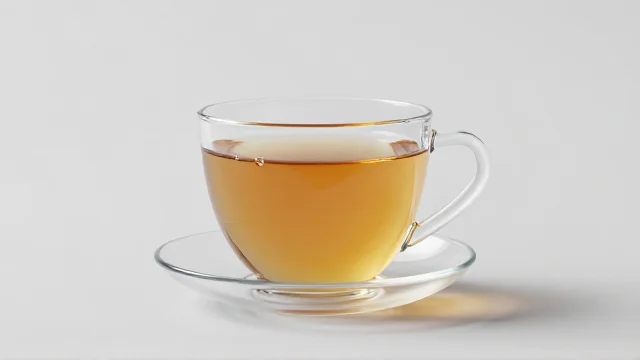
Visual representation of "tea"
Definitions of Tea
- 1차noun
A hot drink made by infusing dried and crushed leaves of the tea plant in boiling water.
차나무의 건조하고 으깬 잎을 끓는 물에 우려내어 만든 뜨거운 음료. - 2차나무noun
An evergreen shrub or small tree, Camellia sinensis, cultivated in warm climates for its leaves, which are used to make the beverage.
차나무(Camellia sinensis)의 상록 관목 또는 작은 나무로, 잎을 음료를 만드는 데 사용하기 위해 따뜻한 기후에서 재배됩니다. - 3애프터눈 티noun
A light afternoon meal, often including sandwiches, cakes, and the beverage tea.
샌드위치, 케이크, 차 음료 등을 포함하는 가벼운 오후 식사.
Example Sentences
Synonyms (유의어)
In English:
brewcuppa
Topics & Categories
Topic & ExploreInflected Word Forms
nounteacup
nountea party
nounteatime
nounteaspoon
agent nountea-maker
Phrases & Idiomatic Expressions
not my cup of teaidiom
Something one does not like or is not interested in.
tea partycollocation
A social gathering at which tea and light refreshments are served.
high teacollocation
A substantial early evening meal, typically including cooked dishes, eaten in the United Kingdom.
Frequently Asked Questions: Tea in Korean
What is the meaning of Tea in Korean?▼
Tea의 한국어 뜻은 차, 차나무, 애프터눈 티입니다. (차나무의 건조하고 으깬 잎을 끓는 물에 우려내어 만든 뜨거운 음료.)
How do you translate 'Tea' to Korean?▼
'Tea' translates to '차' in Korean. Tea의 한국어 뜻은 차, 차나무, 애프터눈 티입니다. (차나무의 건조하고 으깬 잎을 끓는 물에 우려내어 만든 뜨거운 음료.)
What is '차' called in English?▼
'차' in English is called "Tea". Tea refers to: 차나무의 건조하고 으깬 잎을 끓는 물에 우려내어 만든 뜨거운 음료.
How do you pronounce 'Tea' and '차'?▼
Listen to clear English audio pronunciation of 'Tea' (IPA: /t͡ɕʰa/) and native Korean audio speech for '차' with bilingual sentence examples on DictBridge.
What is an example sentence for Tea in Korean?▼
English: "Would you like a cup of tea?" | Korean: "차 한 잔 하시겠어요?"
Related Words in Basic Foods
Explore contextually related English vocabulary with verified Korean meanings, pronunciations, and sentence usages: