
Topic: FruitsWord 24 of 38
mulberry Meaning in Japanese (mulberry 英語 意味)
nounマルベリー, クワ, 桑の実
マルベリー in English:mulberry
Phonetic:まるべりー
Quick Answer • 要約
Mulberry の日本語の意味は「マルベリー, クワ, 桑の実」です。 (クワ科クワ属の落葉樹または低木で、食用に適した果実と、カイコの餌として使われる葉で知られています。)
Concept Illustration
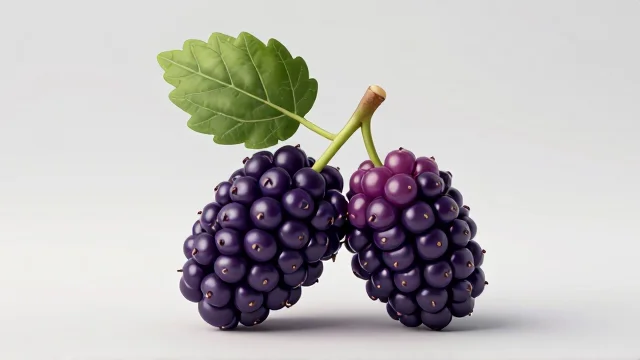
Visual representation of "mulberry"
Definitions of Mulberry
- 1クワnoun
A deciduous tree or shrub of the genus Morus, known for its edible fruit and leaves used to feed silkworms.
クワ科クワ属の落葉樹または低木で、食用に適した果実と、カイコの餌として使われる葉で知られています。 - 2桑の実noun
The sweet, juicy, edible fruit of the mulberry tree, typically dark purple, red, or white when ripe.
マルベリーの木になる、甘くてジューシーで食用に適した果実で、熟すと通常は濃い紫色、赤色、または白色になります。
Example Sentences
Topics & Categories
Topic & ExploreInflected Word Forms
nounmulberry tree
nounmulberry bush
Frequently Asked Questions: Mulberry in Japanese
What is the meaning of Mulberry in Japanese?▼
Mulberry の日本語の意味は「マルベリー, クワ, 桑の実」です。 (クワ科クワ属の落葉樹または低木で、食用に適した果実と、カイコの餌として使われる葉で知られています。)
How do you translate 'Mulberry' to Japanese?▼
'Mulberry' translates to 'マルベリー' in Japanese. Mulberry の日本語の意味は「マルベリー, クワ, 桑の実」です。 (クワ科クワ属の落葉樹または低木で、食用に適した果実と、カイコの餌として使われる葉で知られています。)
What is 'マルベリー' called in English?▼
'マルベリー' in English is called "Mulberry". Mulberry refers to: クワ科クワ属の落葉樹または低木で、食用に適した果実と、カイコの餌として使われる葉で知られています。
How do you pronounce 'Mulberry' and 'マルベリー'?▼
Listen to clear English audio pronunciation of 'Mulberry' and native Japanese audio speech for 'マルベリー' with bilingual sentence examples on DictBridge.
What is an example sentence for Mulberry in Japanese?▼
English: "The children enjoyed picking fresh mulberries from the tree." | Japanese: "子供たちは木から採れたての桑の実を摘むのを楽しんだ。"
Related Words in Fruits
Explore contextually related English vocabulary with verified Japanese meanings, pronunciations, and sentence usages: