
plum Meaning in Japanese (plum 英語 意味)
noun · adjectivenoun
プラム
adjective好都合な
プラム in English:plum
IPA:plʌm
Quick Answer • 要約
Plum の日本語の意味は「プラム, 好都合な」です。 (木になる、甘くて肉厚で、通常は濃い紫色または赤みがかった黄色の果実で、大きな種が一つ入っているもの。)
Concept Illustration
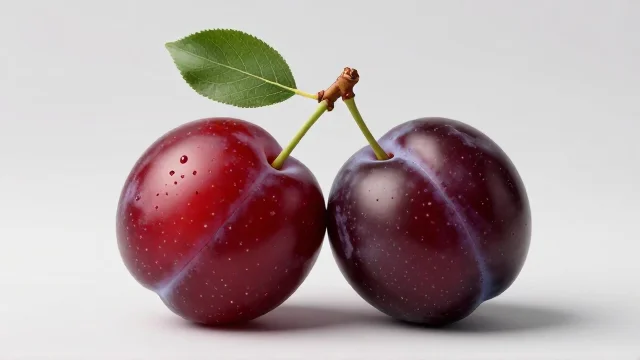
Visual representation of "plum"
Definitions of Plum
- 1プラムnoun
A sweet, fleshy, usually dark purple or reddish-yellow fruit with a single large seed, grown on a tree.
木になる、甘くて肉厚で、通常は濃い紫色または赤みがかった黄色の果実で、大きな種が一つ入っているもの。 - 2好都合なadjective(colloquial)
Describing a highly desirable position or appointment, often one that is easy and well-paid.
非常に望ましい地位や役職を表す形容詞で、しばしば簡単で報酬の良いものを指す。
Example Sentences
Synonyms (類語)
In English:
Topics & Categories
Topic & ExploreInflected Word Forms
adjectiveplummy
Phrases & Idiomatic Expressions
plum jobcollocation
A highly desirable and often well-paid position.
plum rolecollocation
A very good and desirable part in a play or film.
Frequently Asked Questions: Plum in Japanese
What is the meaning of Plum in Japanese?▼
Plum の日本語の意味は「プラム, 好都合な」です。 (木になる、甘くて肉厚で、通常は濃い紫色または赤みがかった黄色の果実で、大きな種が一つ入っているもの。)
How do you translate 'Plum' to Japanese?▼
'Plum' translates to 'プラム' in Japanese. Plum の日本語の意味は「プラム, 好都合な」です。 (木になる、甘くて肉厚で、通常は濃い紫色または赤みがかった黄色の果実で、大きな種が一つ入っているもの。)
What is 'プラム' called in English?▼
'プラム' in English is called "Plum". Plum refers to: 木になる、甘くて肉厚で、通常は濃い紫色または赤みがかった黄色の果実で、大きな種が一つ入っているもの。
How do you pronounce 'Plum' and 'プラム'?▼
Listen to clear English audio pronunciation of 'Plum' (IPA: /plʌm/) and native Japanese audio speech for 'プラム' with bilingual sentence examples on DictBridge.
What is an example sentence for Plum in Japanese?▼
English: "She picked a ripe plum from the tree." | Japanese: "彼女は木から熟したプラムを一つ取った。"
Related Words in Fruits
Explore contextually related English vocabulary with verified Japanese meanings, pronunciations, and sentence usages: