
rub Meaning in Korean (rub 영어 뜻)
verb · nounverb
문지르다, 쓸리다
noun문지름
유의어:비비다닦다
문지르다 in English:rub
IPA:mun.d͡ʑi.rɯ.da
Quick Answer • 요약
Rub의 한국어 뜻은 문지르다, 쓸리다, 문지름입니다. (다른 표면 위로 손이나 물체를 반복적으로, 보통 압력과 마찰을 주며 움직이다.)
Concept Illustration
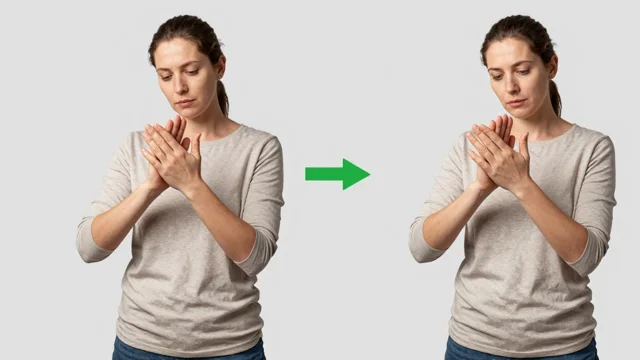
Visual representation of "rub"
Definitions of Rub
- 1문지르다verb
To move one's hand or an object repeatedly over the surface of another, typically with pressure and friction.
다른 표면 위로 손이나 물체를 반복적으로, 보통 압력과 마찰을 주며 움직이다. - 2쓸리다verb
To cause friction, irritation, or discomfort by contact with a surface.
표면과의 접촉으로 인해 마찰, 자극 또는 불편함을 유발하다. - 3문지름noun
An act or instance of rubbing something, often to clean, polish, or soothe it.
무언가를 문지르는 행위 또는 경우, 종종 그것을 닦거나 광택을 내거나 진정시키기 위해.
Example Sentences
Topics & Categories
Topic & ExploreInflected Word Forms
past tenserubbed
present participlerubbing
nounrubdown
agent nounrubber
adjectiveabrasive
Phrases & Idiomatic Expressions
rub it inidiom
To emphasize someone's failure or an unpleasant fact, often in a way that causes annoyance.
rub shoulders withidiom
To associate with important or famous people.
rub the wrong wayidiom
To annoy or irritate someone.
Frequently Asked Questions: Rub in Korean
What is the meaning of Rub in Korean?▼
Rub의 한국어 뜻은 문지르다, 쓸리다, 문지름입니다. (다른 표면 위로 손이나 물체를 반복적으로, 보통 압력과 마찰을 주며 움직이다.)
How do you translate 'Rub' to Korean?▼
'Rub' translates to '문지르다' in Korean. Rub의 한국어 뜻은 문지르다, 쓸리다, 문지름입니다. (다른 표면 위로 손이나 물체를 반복적으로, 보통 압력과 마찰을 주며 움직이다.)
What is '문지르다' called in English?▼
'문지르다' in English is called "Rub". Rub refers to: 다른 표면 위로 손이나 물체를 반복적으로, 보통 압력과 마찰을 주며 움직이다.
How do you pronounce 'Rub' and '문지르다'?▼
Listen to clear English audio pronunciation of 'Rub' (IPA: /mun.d͡ʑi.rɯ.da/) and native Korean audio speech for '문지르다' with bilingual sentence examples on DictBridge.
What is an example sentence for Rub in Korean?▼
English: "She began to rub her temples to ease the headache." | Korean: "그녀는 두통을 완화하기 위해 관자놀이를 문지르기 시작했다."
Related Words in Body Actions (Verbs)
Explore contextually related English vocabulary with verified Korean meanings, pronunciations, and sentence usages: