
season Meaning in Korean (season 영어 뜻)
noun · verbnoun
계절
verb양념하다, 숙성시키다
계절 in English:season
IPA:kje̞d͡ʑʌl
Quick Answer • 요약
Season의 한국어 뜻은 계절, 양념하다, 숙성시키다입니다. (특정한 날씨나 활동으로 특징지어지는 연중의 한 시기.)
Concept Illustration
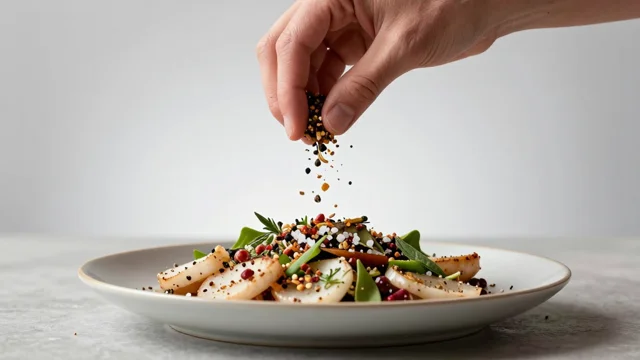
Visual representation of "season"
Definitions of Season
- 1계절noun
A period of the year characterized by particular weather conditions or by a particular activity.
특정한 날씨나 활동으로 특징지어지는 연중의 한 시기. - 2양념하다verb
To add salt, herbs, or spices to food to enhance its flavor.
음식의 맛을 향상시키기 위해 소금, 허브 또는 향신료를 첨가하다. - 3숙성시키다verb
To prepare or condition something for use over a period of time, often by drying or aging.
건조하거나 숙성시키는 등, 일정 기간 사용하기 위해 무언가를 준비하거나 길들이다.
Example Sentences
Topics & Categories
Topic & ExploreInflected Word Forms
past participleseasoned
present participleseasoning
adjectiveseasoned
adjectiveseasonal
Phrases & Idiomatic Expressions
in seasonexpression
Available or ripe for consumption at a particular time of year.
out of seasonexpression
Not available or ripe for consumption at a particular time of year.
season ticketcollocation
A ticket valid for a series of events or for repeated use over a period.
Frequently Asked Questions: Season in Korean
What is the meaning of Season in Korean?▼
Season의 한국어 뜻은 계절, 양념하다, 숙성시키다입니다. (특정한 날씨나 활동으로 특징지어지는 연중의 한 시기.)
How do you translate 'Season' to Korean?▼
'Season' translates to '계절' in Korean. Season의 한국어 뜻은 계절, 양념하다, 숙성시키다입니다. (특정한 날씨나 활동으로 특징지어지는 연중의 한 시기.)
What is '계절' called in English?▼
'계절' in English is called "Season". Season refers to: 특정한 날씨나 활동으로 특징지어지는 연중의 한 시기.
How do you pronounce 'Season' and '계절'?▼
Listen to clear English audio pronunciation of 'Season' (IPA: /kje̞d͡ʑʌl/) and native Korean audio speech for '계절' with bilingual sentence examples on DictBridge.
What is an example sentence for Season in Korean?▼
English: "Autumn is my favorite season because of the beautiful colors." | Korean: "가을은 아름다운 색깔 때문에 제가 가장 좋아하는 계절입니다."
Related Words in Food Actions (Cooking Verbs)
Explore contextually related English vocabulary with verified Korean meanings, pronunciations, and sentence usages: