
tap Meaning in Japanese (tap 英語 意味)
noun · verbnoun
タップ, 蛇口
verb軽くたたく, (資源などを)利用する
タップ in English:tap
IPA:tæp
Quick Answer • 要約
Tap の日本語の意味は「タップ, 蛇口, 軽くたたく, (資源などを)利用する」です。 (パイプや容器から液体、特に水を流す流れを制御する装置。)
Concept Illustration
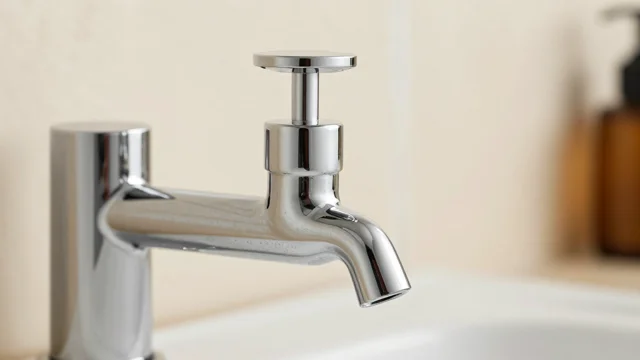
Visual representation of "tap"
Definitions of Tap
- 1蛇口noun
A device that controls the flow of liquid, especially water, from a pipe or container.
パイプや容器から液体、特に水を流す流れを制御する装置。 - 2軽くたたくverb
To strike lightly and quickly with a small, sharp sound, often to get attention or to test something.
注意を引くため、または何かを試すために、小さく鋭い音で素早く軽く打つこと。 - 3(資源などを)利用するverb
To make use of a resource, opportunity, or connection, often to gain an advantage.
有利を得るために、資源、機会、またはつながりを利用すること。
Example Sentences
Synonyms (類語)
In English:
faucetspigot
Explore Vocabulary by Topic
Popular TopicsInflected Word Forms
past tensetapped
present participletapping
nountaproom
agent nountapper
Phrases & Idiomatic Expressions
tap intophrasal_verb
To make use of a source of energy, knowledge, or money.
on tapexpression
Immediately available when needed, often referring to drinks.
tap dancecollocation
A dance in which the dancer wears shoes fitted with heel and toe taps.
Frequently Asked Questions: Tap in Japanese
What is the meaning of Tap in Japanese?▼
Tap の日本語の意味は「タップ, 蛇口, 軽くたたく, (資源などを)利用する」です。 (パイプや容器から液体、特に水を流す流れを制御する装置。)
How do you translate 'Tap' to Japanese?▼
'Tap' translates to 'タップ' in Japanese. Tap の日本語の意味は「タップ, 蛇口, 軽くたたく, (資源などを)利用する」です。 (パイプや容器から液体、特に水を流す流れを制御する装置。)
What is 'タップ' called in English?▼
'タップ' in English is called "Tap". Tap refers to: パイプや容器から液体、特に水を流す流れを制御する装置。
How do you pronounce 'Tap' and 'タップ'?▼
Listen to clear English audio pronunciation of 'Tap' (IPA: /tæp/) and native Japanese audio speech for 'タップ' with bilingual sentence examples on DictBridge.
What is an example sentence for Tap in Japanese?▼
English: "Please turn off the tap after washing your hands." | Japanese: "手を洗った後は、蛇口を閉めてください。"
Related Vocabulary in Japanese
Explore contextually related English vocabulary with verified Japanese meanings, pronunciations, and sentence usages: